


News and Articles

September 14, 2026
Halifax Regional Municipality (HRM) staff have access
to and can apply Benefit–Cost Analysis (BCA) tools, despite prior statements to the
contrary. We request that these tools, methodologies, and assumptions be made
publicly available and updated using current best practices. This is particularly
important to support transparent, evidence-informed prioritization of infrastructure
investments under ongoing fiscal constraints.

September 9, 2026
While curb extensions improve safety for pedestrians, most of Halifax’s installations force cyclists to weave dangerously into traffic before intersections. Newer street-level, flex-bollard designs (Brunswick-Duke, Clyde-Queen) that stay permeable for bikes do not have this issue. Pinchpoints for traffic calming are effective. The municipality should accelerate low-cost curb extensions at all major crossings—insisting every one remain permeable for cyclists and that stakeholders be consulted.

March 26, 2026
David Trueman of the Halifax Cycling Coalition presents to the Transportation Standing Committee, arguing that the Integrated Mobility Plan update sets a dangerously low sustainable mobility target that would result in 73% more vehicles on Halifax roads by 2050 even if the plan succeeds. Pointing to Vancouver, Montreal, and Victoria as proof that 50% sustainable mobility share is achievable, he calls on the committee to send the IMP update back for revision targeting 50% sustainable mobility modal share.
March 26, 2026
Derek Belmore presents on behalf of the Halifax Cycling Coalition to the Transportation Standing Committee, arguing that Halifax’s Bus Rapid Transit plan is badly off track six years in with very little built, and that the cancellations of the Spring Garden Road pilot and Windsor Street bus priority have been significant setbacks. Drawing on 2021 census data showing 81.5% of HRM residents drive, he calls on the committee to commission a staff report on BRT progress and to pursue interim painted bus lanes with full transit signal priority on key corridors as a fast, affordable path to modal shift.
March 26, 2026
The long awaited IMP Update is weak and raises many concerns. With an ambition of only 30% modal share for sustainable mobility, it dooms us to 73% more vehicles on the streets of HRM.
February 26, 2026
David Trueman of the Halifax Cycling Coalition presents to the Transportation Standing Committee, arguing that with cycling infrastructure under political pressure and road injuries at an all-time high, every dollar must deliver maximum impact. He proposes a five-factor scoring framework weighing safety improvements, population served, equity, network connectivity, and destinations, and calls on the committee to direct staff to develop a formal prioritization methodology so the highest-value projects are built first.

February 20, 2026
In case you haven’t been keeping up, we are in the thick of municipal budget season and Council is threatening to defer further progress on safe bike lane construction and downgrade safety standards so that concrete barriers might be replaced with paint.
February 20, 2026
HCC writes HRM Council imploring them to maintain the safe bike lane construction budget. At 0.5% of the 2026-2027 transportation capital budget, it makes no sense to focus on this small line item which delivers value out of proportion to the cost, not to mention saving lives.

February 2, 2026
HCC, jointly with Walk ‘n Roll Halifax, Canadian Association of Physicians for the Environment Nova Scotia Chapter, Cycling Nova Scotia, and Ecology Action Centre writes to representatives of the NS Dept of Public Works with our recommendations fo rregulations to accompany the new Traffic Safety Act.
January 26, 2026
HCC writes HRM Council imploring them to stay the course on Morris St. We ask them not to give in to Houston’s bullying and not to obey in advance. We take strong exception to the staff report and recommendations.
January 22, 2026
Talan Iscan of the Halifax Cycling Coalition presents to the Active Transportation Advisory Committee, arguing that HRM’s decision-making on bike lane infrastructure accounts for costs but ignores measurable benefits. Drawing on HRM’s own 2025 Road Safety Report and evidence that safe cycling infrastructure yields a return of $2 to $4 for every dollar spent, he calls on HRM to require all future bike lane projects to formally weigh safety, health, and societal benefits alongside construction costs.
November 27, 2025
Talan Iscan of the Halifax Cycling Coalition presents to the Transportation Standing Committee, arguing that HRM treats separated bike lanes as a pure cost with no known benefits, despite evidence that safe cycling infrastructure yields $2 to $5 in societal returns for every dollar spent. Citing HRM’s own 2025 Road Safety Report and the death of Halifax cyclist Adriana Dean, he calls on the committee to commission a staff report requiring all future bike lane projects to formally weigh safety, health, and environmental benefits alongside construction costs.
August 3, 2025
HCC writes HRM Council imploring them to stay the course on Morris St. We ask them not to give in to Houston’s bullying and not to obey in advance. We take strong exception to the staff report and recommendations.
August 2, 2025
HCC writes to Premier Houston regarding his threat to overturn HRM Council’s decision regarding Morris St. We point out the obvious parallel with Ontario and the court decision there declaring that making arbitrary decisions that threaten people’s right to safety is a violation of the Charter of Rights.
July 17, 2025
Premier Houston has threatened to overturn HRM Council’s decision on Morris St. This is about more than bike lanes on Morris St. It is a threat to our local democracy and evidence -based decision making. Martyn Williams covers this and more in his letter to Premier Houston.
July 6, 2025
On Tuesday, July 8, 2025, Council considers a staff report for alternatives to the previously approved plan for Morris St. We write in hope to preserve a viable solution.
June 9, 2025
Councillors, please vote against Mayor Fillmore’s motion and maintain momentum on many worthwhile projects. There is no emergency which would justify suspension of normal procedure.

June 6, 2025
Mayor Fillmore has called for all new cycling infrastructure to be suspended. We urge everyone to write their councillor to oppose this misguided motion.
May 25, 2025
In the view of the HCC, none of the currently designated LSBs in Halifax (a partial list includes Isleville Street, Northwood Terrace and Creighton Street, Maynard Street and Fuller Terrace, Vernon Street) meet HRM’s own criteria.
LSBs that meet the design criteria set out by the NACTO guidelines could serve as one part of an integrated, connected bike network in HRM. However, it remains the position of the HCC that separated, protected bike lanes are the gold standard for bicycle infrastructure and should form the backbone of the bike network for HRM.
May 25, 2025
The Report lists financial costs but completely ignores the costs in terms of lives lost, injuries, and traumas suffered by people cycling on our streets due to a lack of safe cycling infrastructure. It attributes all the anticipated adjustments to Halifax’s infrastructure (to the construction of bicycle facilities rather than recognizing that many of the costs are to avoid impact to motorized vehicles.
April 5, 2025
Bill 24 that was just passed in the NS legislature gives strong executive powers to the minister of public works on all matters of transportation, including within Halifax. We have written to the Minister to express our concerns, and requested that the Province make the Joint Regional Transportation Agency and Active Transportation Strategy reports public.
April 5, 2025
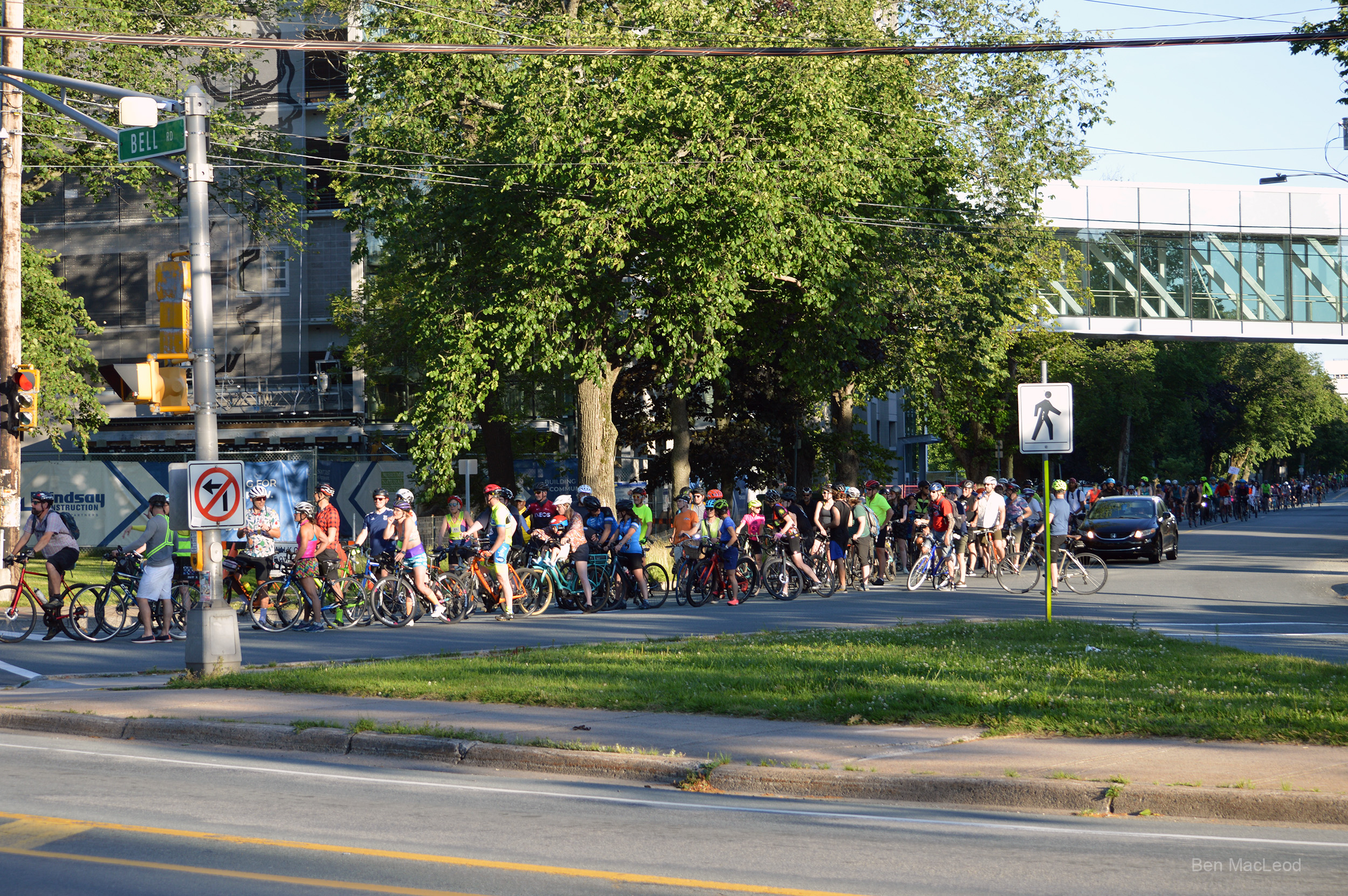
17 HRM cycling groups were given 5 minutes each to make their pitch to a friendly audience. The evening was energizing and incredibly informative. Here are their slides.
April 4, 2025
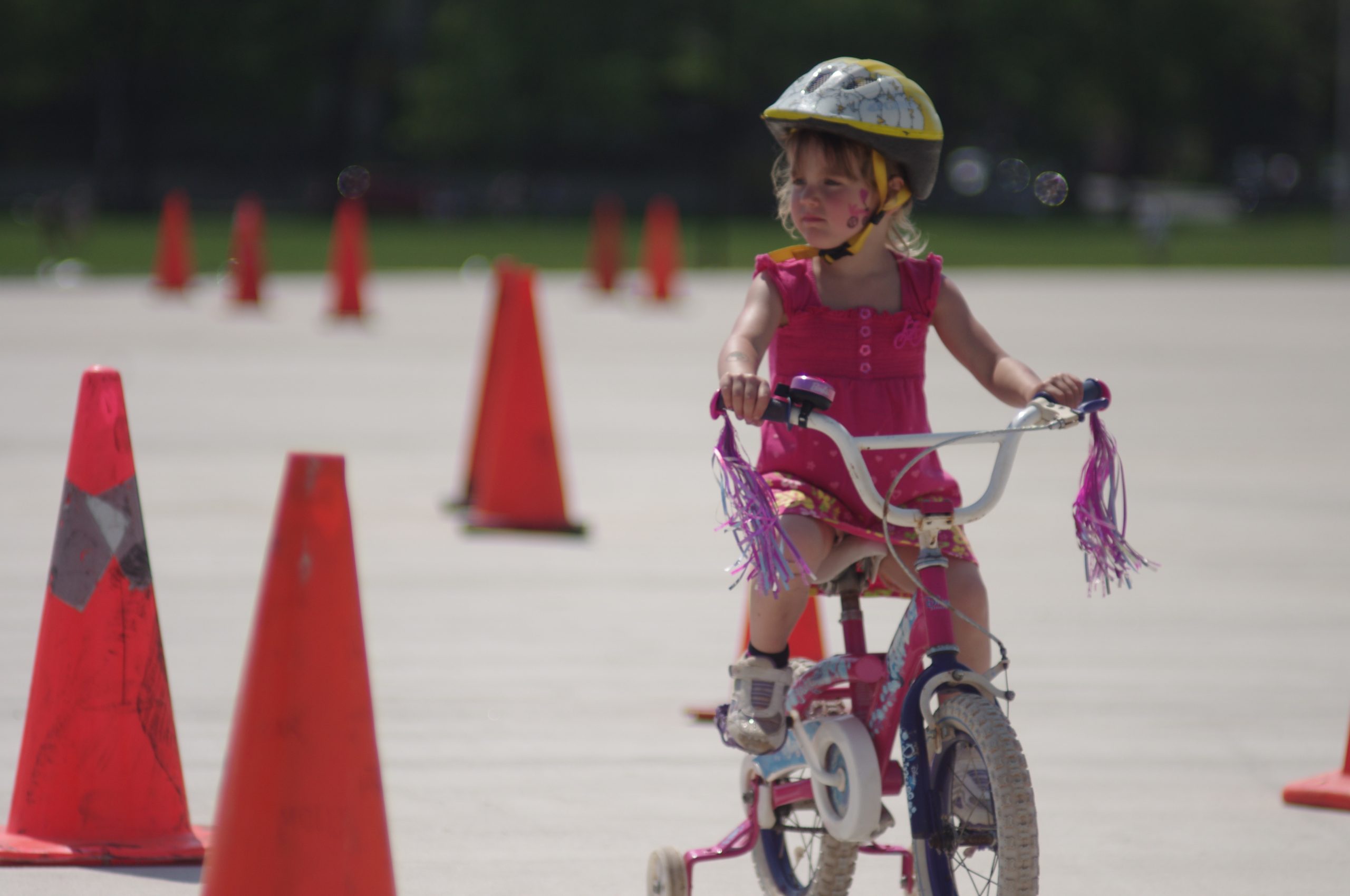
Whether you do it on your own or seek help, here’s some great advice and resources courtesy of Jen Parker, co-organizer of Kidical Mass Halifax.
March 2, 2025
Safety improvements along Liverpool Street for people walking, rolling, and cycling are urgently needed, especially at intersection crossings. Given the ongoing and expected population growth in the broader neighbourhood, the need for a safe infrastructure for all vulnerable road users will be needed along Liverpool as well as in the surrounding streets. A protected bike lane along the entirety of Almon Street is urgently needed to meet the safety needs of people cycling.
January 28, 2025
A call for external consultants to develop a Vulnerable Road Safety Action Plan and other urgent actions.
January 28, 2025
It is sad that staff have spent so many years developing a design that does not meet the original objectives given by Council nor the principles of the Integrated Mobility Plan. In particular, the lack of dedicated bus lanes in the northbound direction represent an utter failure. The diminishing share of costs borne by federal and provincial governments and port authority make us question why HRM priorities are not first in line.

January 26, 2025
Multi-use pathways (MUPs) require people walking, rolling and cycling to share the same space. MUPs are used as a substitute for separate and protected bike lanes even though they are unsuitable in most of our urban corridors and high-volume contexts: they prioritise vehicle use, delay modal shift in the municipality, and fuel pedestrian-cyclist conflicts. It is the HCC position that bicycle infrastructure in urban settings be separated from people walking and rolling, and protected from vehicle traffic.

November 22, 2024
We produced this video for the 2024 election but the message doesn’t age: Halifax is a biking city. We wanted an upbeat message for general consumption, so we highlighted the Statscan report that Halifax is second only to Victoria in the proportion of commuters who use active transportation. And, we have the fastest growing rate in Canada.
October 17, 2024
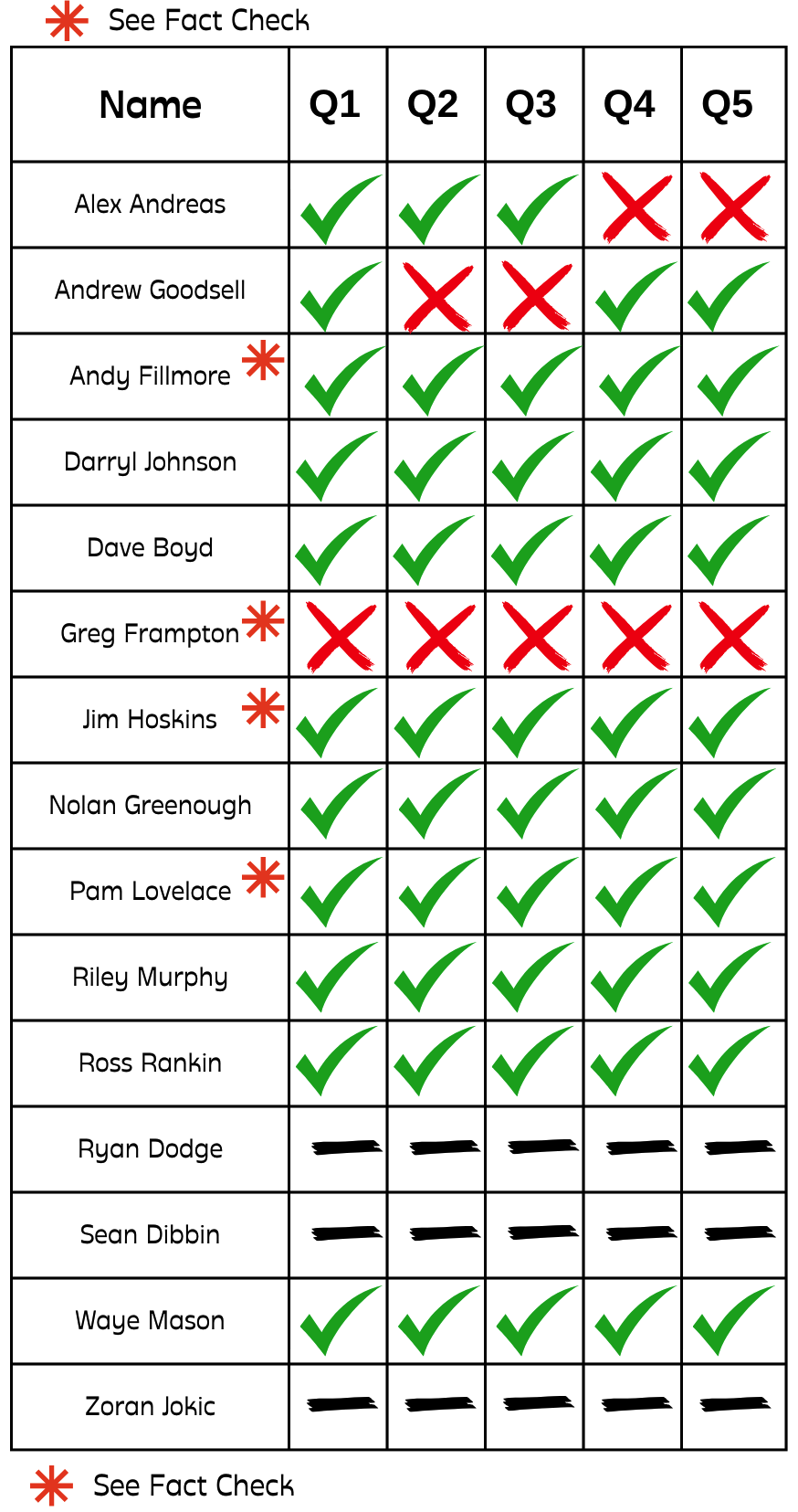
We have published the results from our Candidate Survey and we reference coverage from the Halifax Examiner and Ecology Action Centre.
September 16, 2024
Talan Işcan presented to the Transportation Standing Committee on July 25, 2024 in support of the Coburg Rd. multi-use path west of Oxford St. This project will form a vital connector within the Urban Belt Greenway. Doing it at this time in conjunction with a Halifax Water project makes it very cost effective.
September 15, 2024
HRM staff preliminary design for cycling infrastructure on University and Morris passes at Transportation Standing Committee but passing full Council should not be taken for granted.
September 14, 2024
Why is HRM borrowing to finance road construction but not to accelerate cycling infrastructure?
July 29, 2023
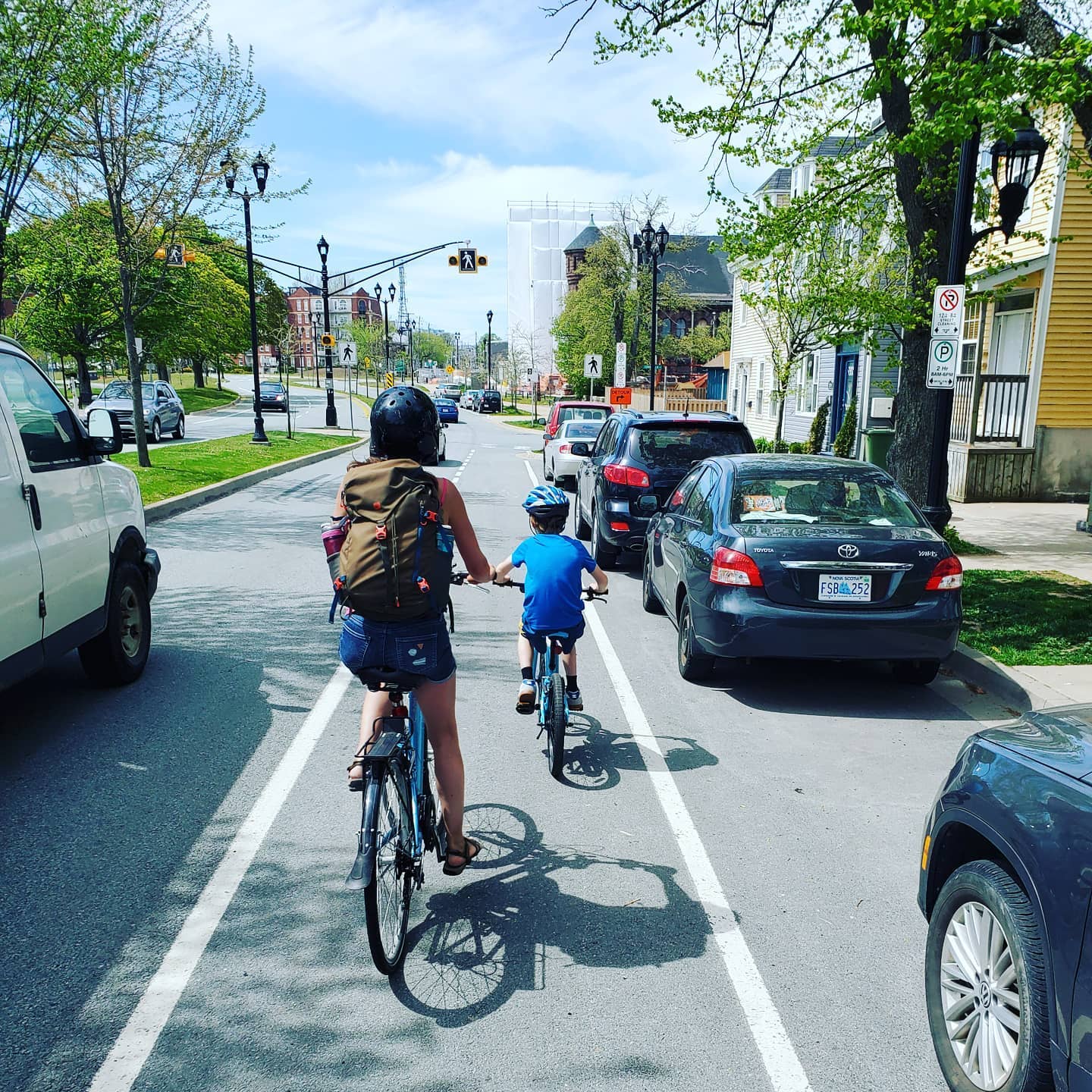
City Council has recently approved a pilot two-year bike share and micro-mobility share scheme, which is expected to commence in 2024. We welcome this decision and look forward to sharing our streets with more people…
June 23, 2022
Jen Parker, the organizer of Kidical Mass Halifax, explains the importance of these rides.
March 29, 2021
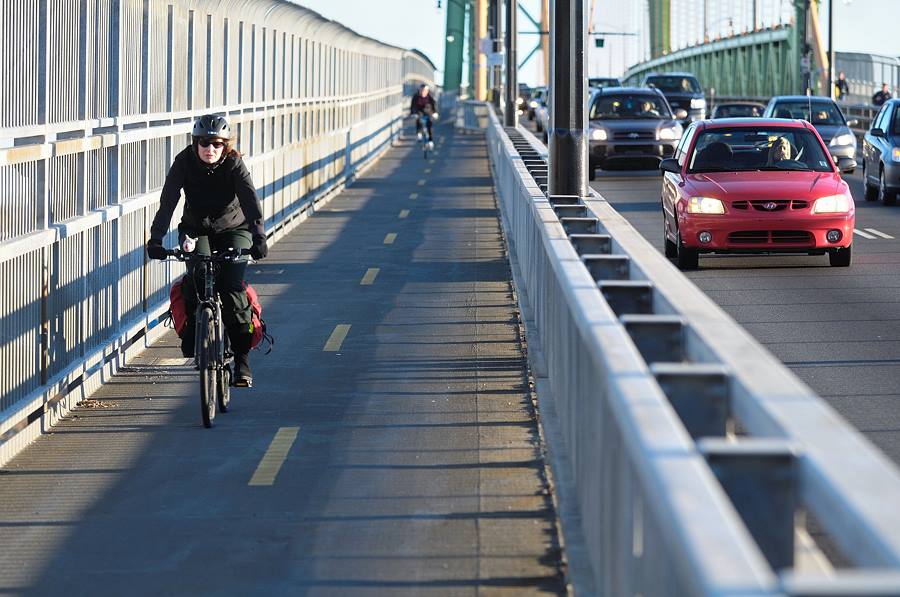
I don’t think “all abilities” is the right term. It’s inaccurate and it’s misleading. I know it’s tempting to come up with fun alliterative phrases like “all ages and abilities”, but I think accuracy, accountability, and inclusion are even more fun.

August 18, 2020
If you’re a student in the HRM who likes to bike – in any way, shape or form – cycling infrastructure and advocacy can make it easier and more comfortable for you.
August 6, 2020
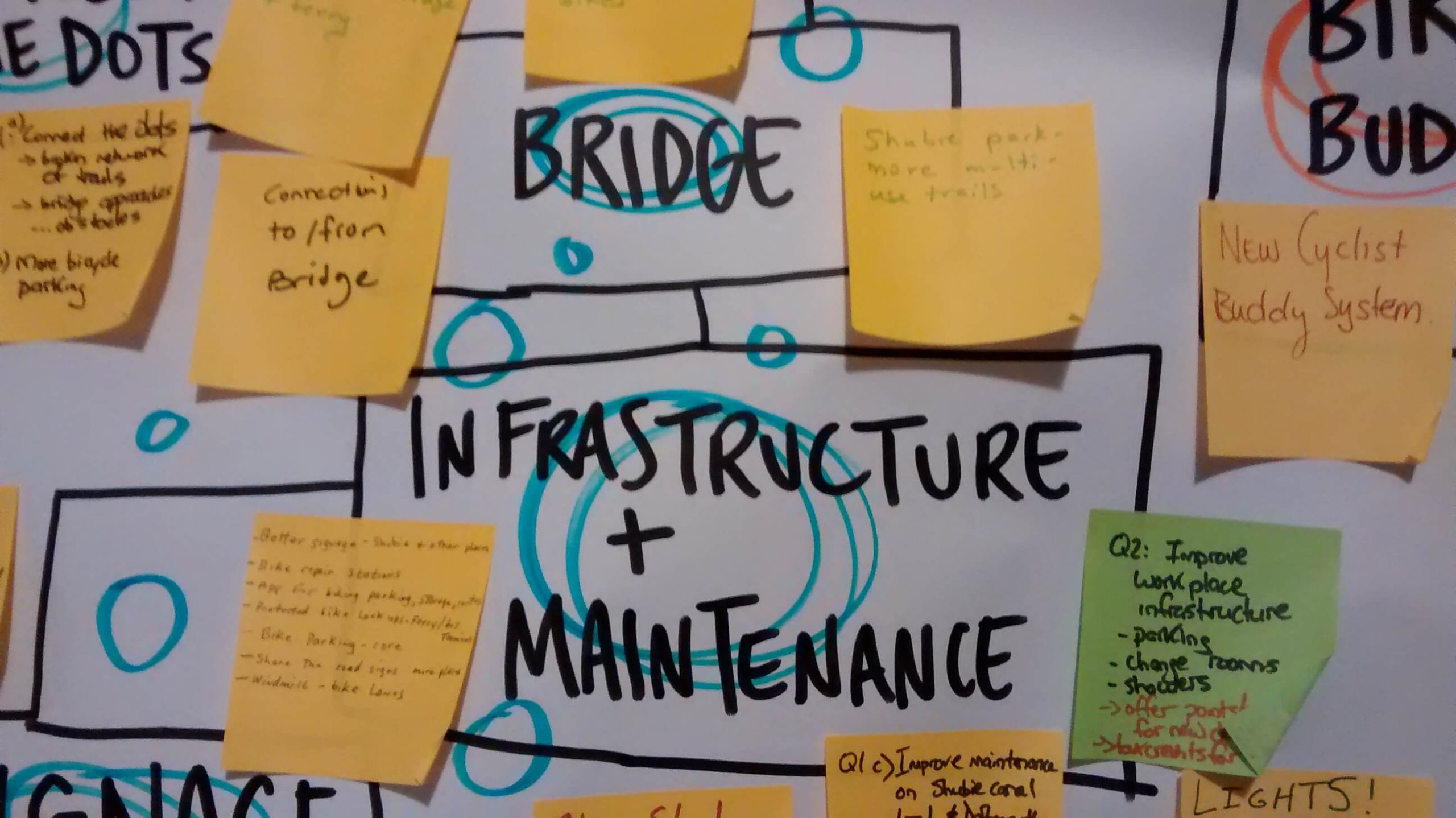
New and improved bike infrastructure in the HRM should be accessible and comfortable to use for people of All Ages and Abilities (AAA Infrastructure). This means that every person on a bike, with any level of experience or confidence in traffic, is comfortable getting around the city.

August 6, 2020
Ongoing infrastructure projects and improvements are mostly those proposed in the Integrated Mobility Plan. City council has adopted the IMP, and the building of the “minimum grid” of cycling routes on the map below should be completed by 2022.
August 6, 2020
In 2017, the HRM approved the “Integrated Mobility Plan” (IMP). In the IMP there is a clear mandate for HRM to implement for inclusive infrastructure and “Design complete streets for all ages, abilities and travel options.”
August 6, 2020
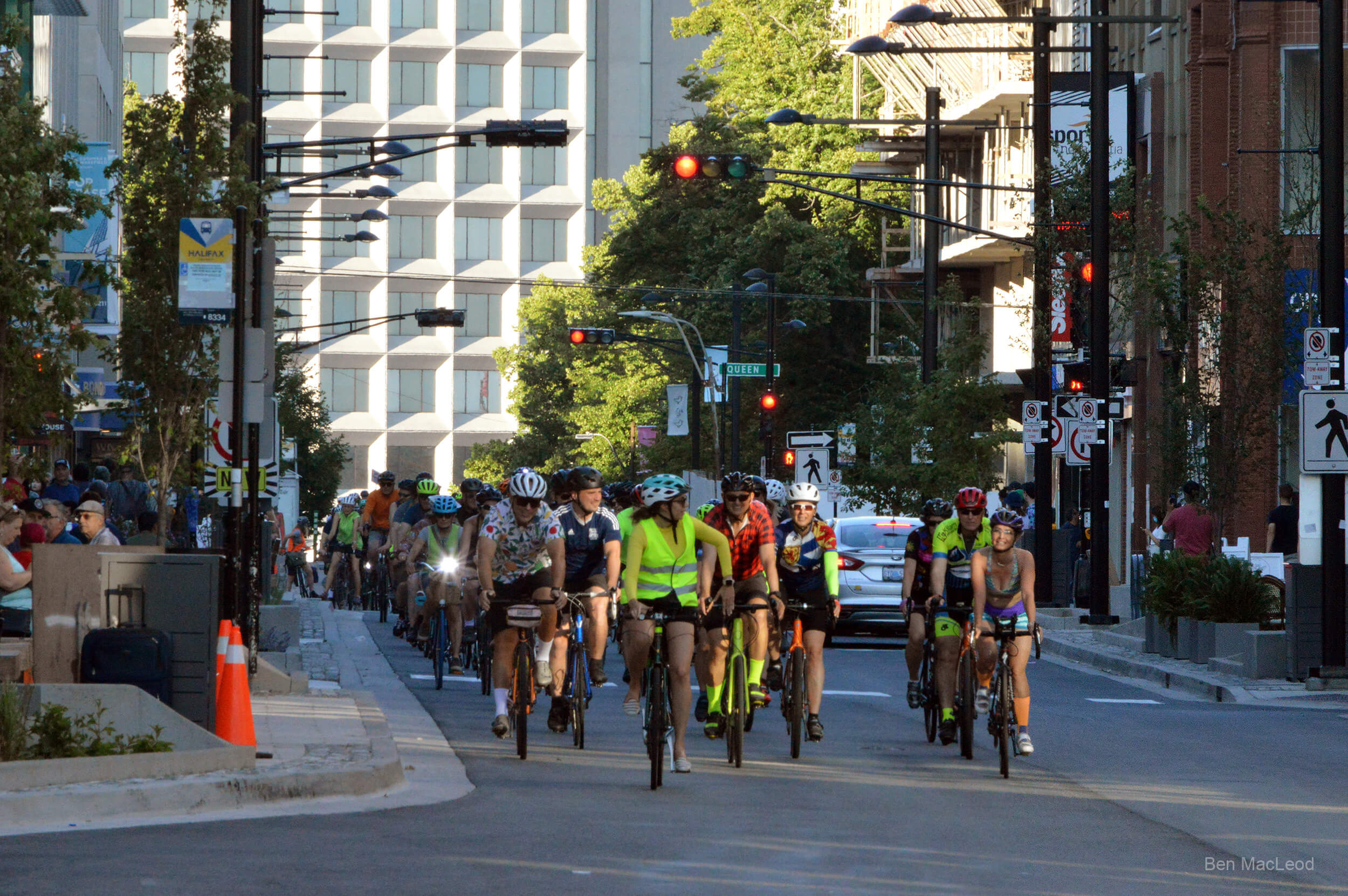
A Connected Bike Network Our vision is that Halifax will be the safest city in North America to ride a bicycle…
August 10, 2018
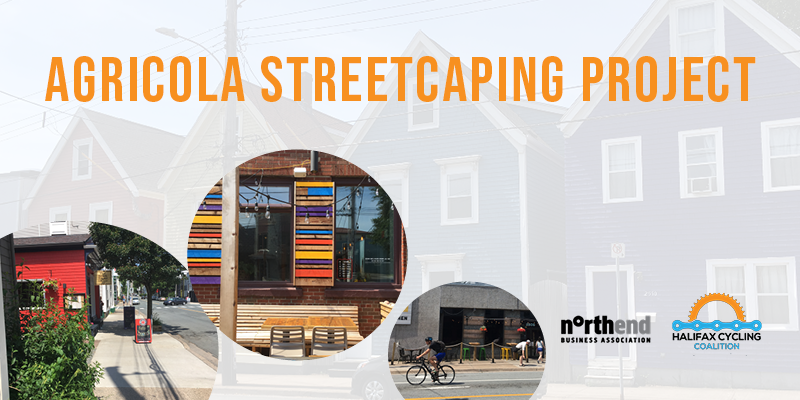
Since 2014 the Halifax Cycling Coalition has been working with the North End Business Association (NEBA) to advocate for streetscaping and traffic calming measures to be applied on Agricola Street.

August 1, 2018
We have developed a collision card that can be kept in a wallet so you have it with you in case you need it.
October 18, 2016
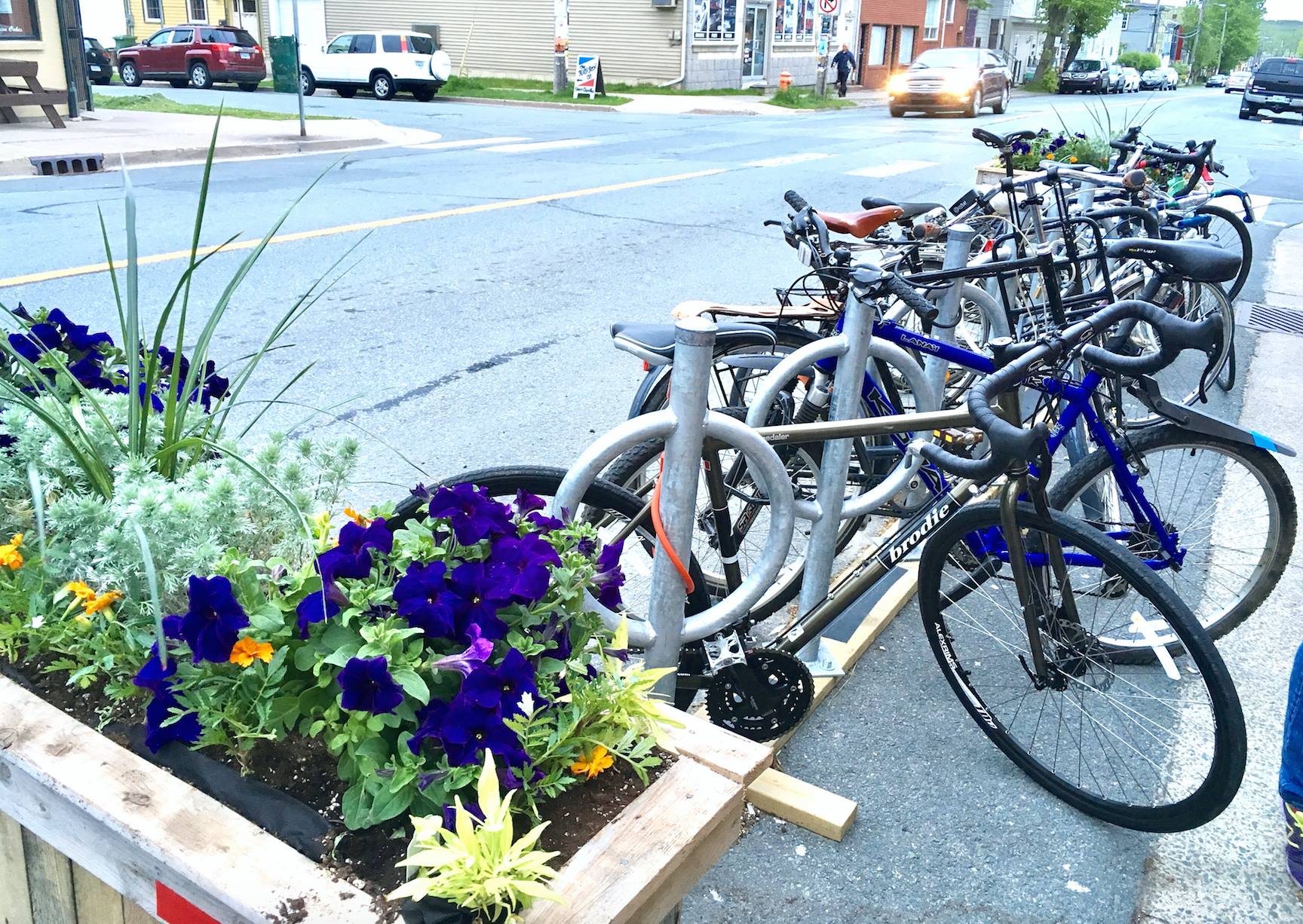
We’ve partnered with the world’s largest bike registry, Project 529 Garage, to create a local bike registration. Registering your bike will reduce the risk of theft and increase the chances of recovery if it is stolen.
February 28, 2012
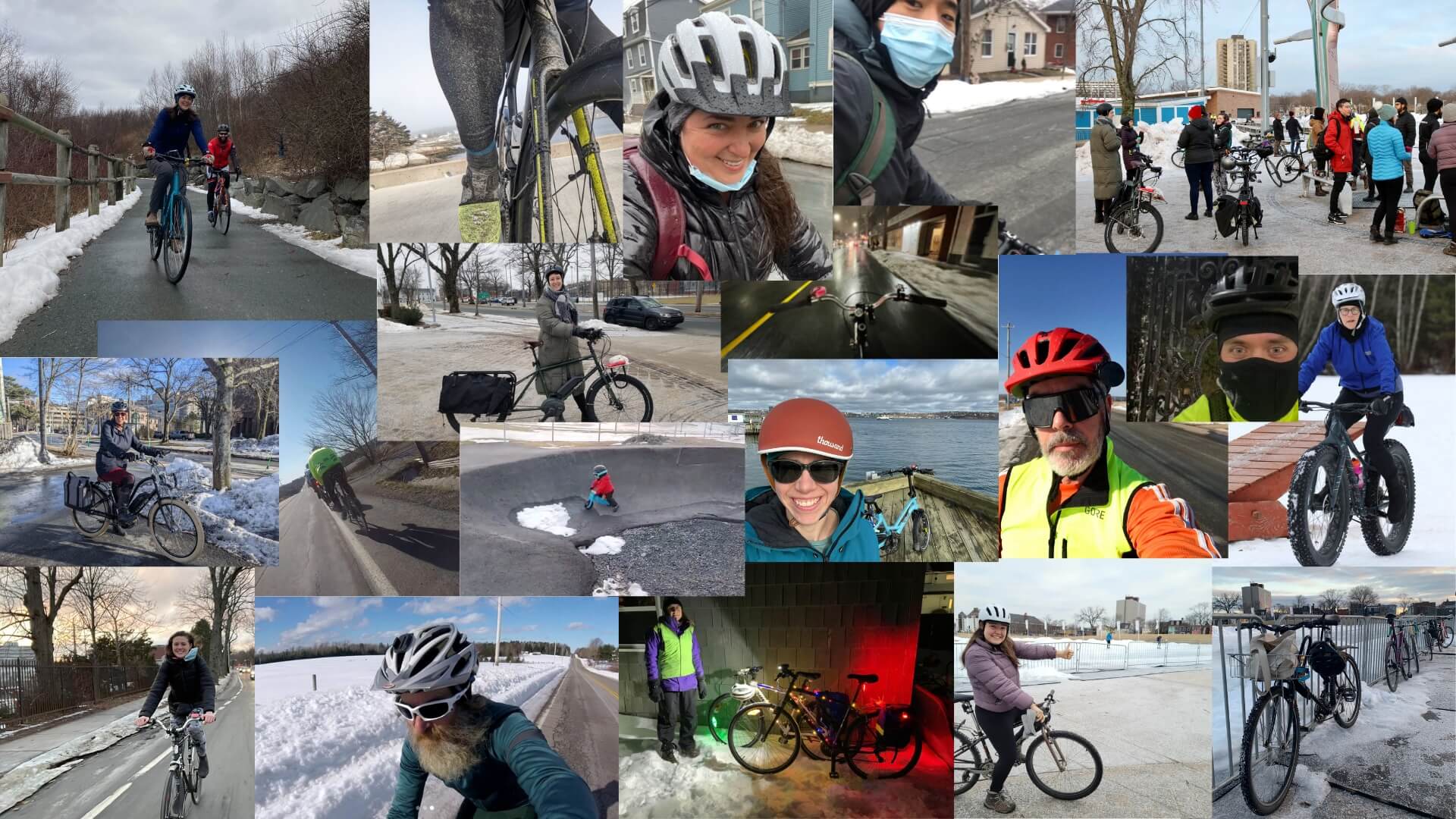
In Halifax cycling in the winter can be a bit tricky and a bit messy — but that doesn’t mean it’s just for the hardcore cyclists! With a little extra attention to your riding technique and some consideration of your clothing and gear choice, you too can ride your bike year-round!

February 28, 2012
There are plenty of tips and tricks you can practice to make every ride safer and more enjoyable. Check out the tips below! If you’re looking for more specific legal and technical advice, these resources may be helpful: